SEE THE WORLD CLEARLY AGAIN
With Our Leading Cataract Surgeon
Home to the finest ophthalmologists and cataract specialists committed to restoring your vision and quality of life
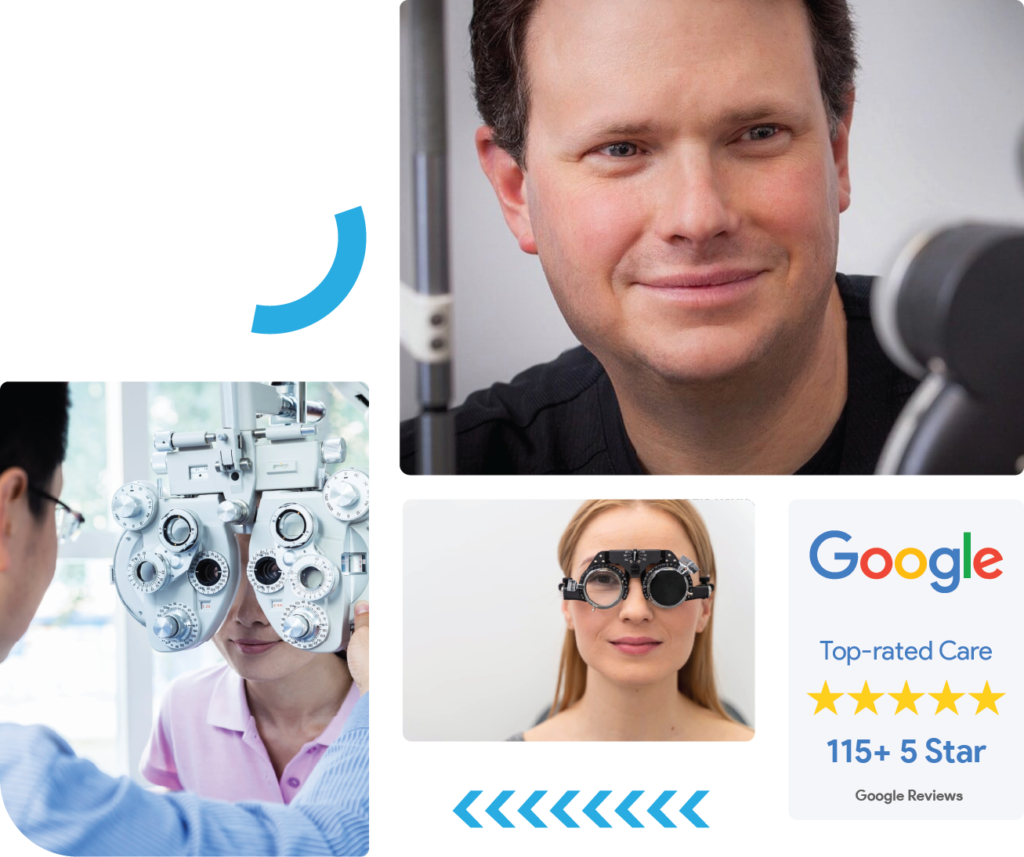
Dr. Nelson Preschel
Serving patients in Pembroke Pines, Dr. Nelson Preschel is a nationally recognized ophthalmologist and cataract surgeon with offices throughout South Florida. Dedicated to delivering exceptional care, Dr. Preschel specializes in advanced cataract surgery, using the latest techniques and technologies to restore vision with precision and safety. He upholds the highest standards of excellence without compromising on compassionate, patient-focused care. Dr. Preschel provides expert cataract treatment and other ophthalmologic services to patients in Weston, Doral, Plantation, Pembroke Pines, and Aventura.
Contact Us
We would love to speak with you.
Feel free to reach out using the below details.
Address
- 17900 NW 5TH ST #204, PEMBROKE PINES, FL 33029
Hours
- Mon-Fri 8:30AM - 5:00PM
- TESTIMONIALS
EXCELLENTTrustindex verifies that the original source of the review is Google. One hour wait since check in and no one acknowledges your presence or updates you that the doctor will see you soon, if at all. Visits here used to be exemplary. However now there’s limited interaction. No one at the desk. Service has really truly plummeted. If you have an appointment be prepared to wait for an extended period of time. Just to be clear Dr Preschel is amazing. I’d never go to anyone else. It’s just the wait time and lack of interaction or updates prior to seeing the doctor that I have an issue with. Dr Preschel is the best Opthamologist in Florida and he takes time with each of his patients and his attention to detail is great and he cares for his patients. He truly listens and explains everything to his patients. He is five star.Posted onTrustindex verifies that the original source of the review is Google. Excellent doctor. My eyesite is excellent due cataract surgery performed by doctor. I highly recommend visiting the doctor. Doctor and nurses are the best. Very friendly and personal.Posted onTrustindex verifies that the original source of the review is Google. I visited Dr. Perchell for concerns I had with my vision. He was very attentive and answered all my questions with great patience. His warm hearted approach eased all my anxiety! My surgeries were a success! I’m so grateful…THANK YOU Dr. Perchell!!! ♥️👍Posted onTrustindex verifies that the original source of the review is Google. Mi cira con Dr. Preschel fue para un seguimiento después de mi cirugía de ambos ojos. Después de casi 2 años de la cirugía me encuentro muy bien. Veo perfectamente y no tuve ninguna molestia después de la cirugía ni estos 2 años. Veo perfectamente y no necesito de lentes. Recomiendo al Dr. Preschel como para cualquier tema relacionado con la vista.Posted onTrustindex verifies that the original source of the review is Google. The technicians and Dr Ortiz are outstanding. They really care about the customer with great professionalism and very thorough. I am extremely happy with the service received and highly recommend Premium Eye Centers!Posted onTrustindex verifies that the original source of the review is Google. Nice attention High level of knowledgePosted onTrustindex verifies that the original source of the review is Google. As a patient who has undergone multiple corneal transplants and seen countless ophthalmologists over the decades, I can confidently say he is an excellent doctor and surgeon. Highly recommended for patients requiring corneal transplants or suffering from keratoconus.Verified by TrustindexTrustindex verified badge is the Universal Symbol of Trust. Only the greatest companies can get the verified badge who has a review score above 4.5, based on customer reviews over the past 12 months. Read more
What is Cataract
A cataract is a clouding of the eye’s natural lens and is typically caused by aging. It is a result of protein build up that gradually opacifies the lens and leads to blurry vision, glare sensitivity, dulled colors, poor night vision and often increased nearsightedness (myopia). Cataracts can be removed through minimally invasive cataract surgery, which is a quick, highly precise and safe ambulatory procedure
- Blurry vision, even with glasses
- Difficulty driving at night due to glare and/or halos around bright lights
- Faded colors
- Frequent need to change eyeglass prescription
During your initial consultation we will determine whether or not your visual impairment is caused by cataracts and we will rule out any other conditions that may need to bead dressed prior to surgery. In order to do this, we will conduct at rough evaluation to determine your current health status and quality of vision. This is followed by a meticulous examination of the complete anatomy of the eye, supported by multiple cutting-edge technologies.
Although technology does not replace good clinical skills and judgement, it is necessary to precisely measure the different dimensions of the eye, which are required to select the ideal intra ocular lens implant (IOL). In addition, other conditions that could affect the surgical results are considered, and in many cases treated before surgery in order to maximize visual outcomes.
Having cataracts does not necessarily mean that surgery is required. In fact, most people have some degree of cataracts as a consequence of aging, but surgery is only required when the cataract noticeably affects daily life activities
Cataract Surgery is one of the most successful surgical procedures in medicine.The basic replacement of a cloudy lens with a transparent intra ocular implant has evolved into a highly advanced procedure that not only restores clarity but, in many cases, eliminates the need for glasses. Because it is a quick outpatient procedure that requires minimal anesthesia, it also ensures a fast recovery with most patients being able to enjoy their improved vision a few days after surgery. With that being said, there are different approaches and techniques that can be utilized to meet each individual’s needs.
Conventional cataract surgery starts with applying an anesthetic drop. Although patients remain awake during surgery, mild sedation is also utilized to put the patient at ease. After making a small incision on the cornea, the cloudy lens is removed through a process called phacoemulsification which liquefies and aspirates the cataract material. After removal of the cataract, an intra-ocular lens implant (IOL) is carefully injected into its permanent position.
Laser assisted cataract surgery shifts some of the critical steps of the procedure from the surgeon’s hands to a computer guided Femtosecond laser. The procedure combines high resolution and real time imaging of the anterior segment of the eye to guide the laser in performing incisions and dissolution of the cataract material.
Often times, patients are told that they need laser assisted cataract surgery. Laser assisted cataract surgery is not a necessity, however, it adds an additional level of safety and precision.
Following surgery, you will still feel a mild sedation, however, it will wear off after a few hours. Most cases do not require any stitches, and there will be no need for a patch. During the first week after surgery, you will need to protect your operated eye while sleeping by placing a plastic shield over it. Throughout this initial period, you should also avoid rubbing your eyes, heavy lifting or allowing dirt or fluids to come in direct contact with the operated eye.
In addition, antibiotic drops will be required during the first week after surgery. Anti-inflammatory drops, however, will be required for several weeks following surgery in order to control normal post-operative inflammation.
Believe it or not, cataracts can form even before we are born. Although rare, congenital cataracts may be present in newborns for different reasons. However, most of the cataracts that we do surgery on are caused by aging. Although symptoms are usually seen after the age of 65, symptomatic cataracts can occur at younger ages. These are usually caused by injuries, certain medications such as corticosteroids, previous intraocular surgery, or diabetes and other diseases.
Additional Questions
Should I always get an intra ocular lens implant if I have cataract surgery?
Yes, a lens implant replaces the optical properties of the natural crystalline lens that is removed during surgery. In addition, the IOL maintains the natural separation between the anterior segment of the eye and the vitreous.
What are premium lenses?
First of all, all the IOLs that we use are top quality, latest generation designs. The term “Premium” is used to describe lenses with extra features such as multifocality which allows simultaneous correction of presbyopia , eliminating the need for glasses to see clearly at a distance or from up close. Another important feature to consider is toricity. A toric lens is shaped to compensate astigmatism, a visual defect related to abnormal curvature of the cornea, affecting the whole range of vision.
Why is premium refractive cataract surgery so expensive?
Premium refractive cataract surgery requires more than just a lens. Not only are you paying for a more expensive, cutting-edge lens design, but you are also paying for a variety of technologies and expertise that are required for making the procedure successful.
- 17900 NW 5TH ST #204, PEMBROKE PINES, FL 33029

- (305)-315-8050
- Send An Email
- 17900 NW 5TH ST #204, PEMBROKE PINES, FL 33029
© 2026 All rights reserved. Powered by WeblyStudio